Wet Room vs Walk-In Shower: What Is the Difference?
May 26, 2026


Planning a bathroom upgrade often leads to one major question: is a wet room or a walk-in shower the better fit for the home? Both options can create a sleek, modern bathroom with improved accessibility and a more open feel, but they differ in waterproofing, drainage, maintenance, splash control and everyday practicality. For homeowners considering bathroom renovations in Central Coast homes, understanding how each layout performs in real daily use is essential before committing to a renovation design.
Central Coast Kitchens & Bathrooms explains the key differences between wet rooms and walk-in showers, including how each option affects layout, waterproofing, drainage, cleaning, comfort and renovation cost. It also looks at the practical factors that help determine which option best suits the property layout, lifestyle needs, budget and long-term plans. By understanding the structural and everyday considerations behind each design, homeowners can make a more confident choice and create a bathroom that balances style, function and long-term value.
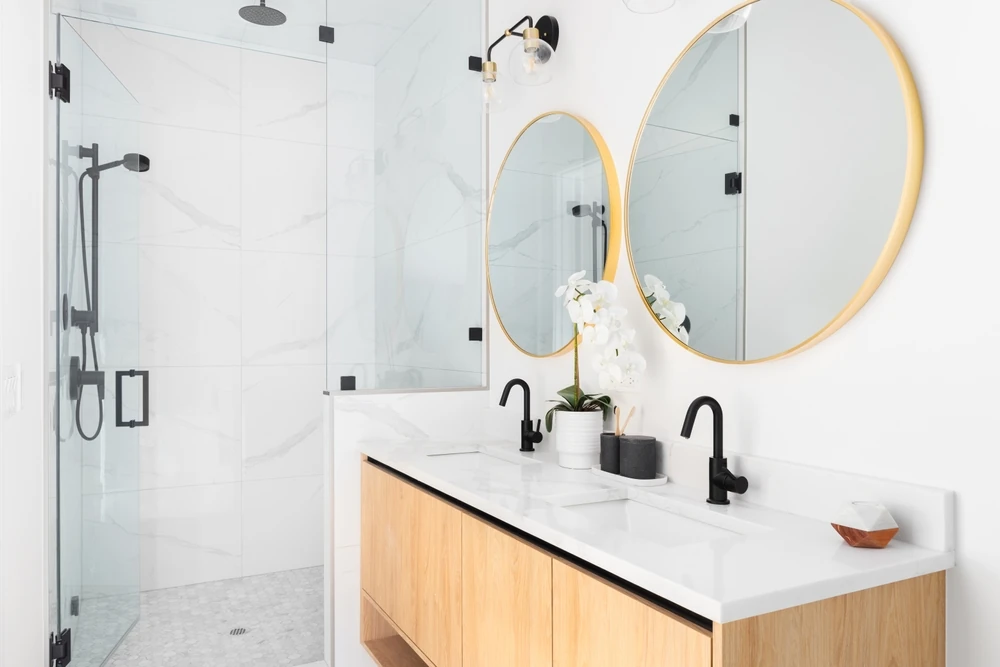
A wet room and a walk-in shower can look similar at first glance, but they are designed and built differently. Both remove the enclosed feel of a traditional shower cubicle, yet the way they manage water, drainage and usable floor space is not the same.
The main difference comes down to how much of the bathroom is treated as a showering area. A wet room turns most or all of the bathroom into a waterproofed wet zone, while a walk-in shower keeps water largely contained within a defined shower space.
In a wet room, the entire bathroom floor is treated as a potential splash zone. The shower is usually open or only partially screened, and the floor is designed so water can fall towards one or more drains. There is often no raised shower tray, creating a continuous surface across the room.
This gives wet rooms a very open and seamless appearance. It can also make them highly accessible, especially for people who want step-free entry or easier movement through the bathroom. However, because more of the room is exposed to water, the layout must be carefully planned so vanities, toilets, storage, towels and toilet paper are protected from regular splashing.
A walk-in shower has a clearly defined shower zone. It usually includes a low-profile tray, a flush tiled shower base or a designated section of the bathroom floor, along with one or more fixed glass panels to contain spray.
The entry remains open, so the bathroom still feels modern and spacious, but the water is controlled more like a conventional shower. This makes walk-in showers a practical option for homeowners who want an open design without turning the entire bathroom into a wet area.
Waterproofing and drainage are the most important technical differences between a wet room and a walk-in shower. Both need to be built correctly to prevent leaks, moisture damage and drainage problems, but the level of preparation is usually much greater in a wet room.
Understanding what happens beneath the tiles helps explain why wet rooms can be more complex and why walk-in showers are often easier to integrate into existing bathrooms.
A true wet room is treated as a fully tanked space. This means the entire floor and usually the lower sections of the walls are waterproofed, not just the immediate shower area. A continuous waterproof membrane is applied under the tiles, turned up the walls and carefully sealed at junctions, corners, drains, tap fittings and other penetrations.
This level of protection is important because water can move across a much larger part of the room. If the waterproofing fails, moisture can reach the subfloor, adjoining rooms or lower levels, which is a serious concern in apartments, townhouses and second-storey bathrooms.
A walk-in shower uses a more contained waterproofing approach. The shower floor, surrounding walls and nearby splash zones receive the most intensive waterproofing, while the rest of the bathroom is treated according to standard wet area requirements. Because glass panels or a defined shower base help keep water in one area, the waterproofing is more focused and often less complex.
Drainage design is critical in a wet room because water is free to move across a larger section of the floor. Linear channel drains are often used because they allow the floor to fall in one direction, which can work well with larger format tiles and modern bathroom layouts. A point drain can also be used, but it usually requires the floor to fall from multiple directions, creating more tile cuts and a more detailed tiling process.
Walk-in showers usually have a smaller drainage footprint. A single point drain or short linear drain inside the shower zone is often enough because the screen and shower layout limit how far water travels. This can make the floor design simpler and may reduce the amount of structural work needed during renovation.
A wet room needs carefully designed floor falls so water drains properly without leaving puddles. The floor must feel comfortable underfoot while still directing water towards the waste. This is easier to achieve in a new build where the slab or timber frame can be planned from the beginning.
In an existing bathroom, creating a true wet room can require more work. The floor may need to be recessed, re-screeded or adjusted so the finished floor height still works with the doorway and adjoining rooms. Timber-framed floors may also need extra preparation to allow for falls, waterproofing and tile weight.
A walk-in shower can often be easier to install because the fall is limited to the shower area. A low-profile tray, flush shower base or slightly recessed tiled floor can usually manage water without reshaping the entire bathroom floor.
Space and layout often determine which option will work best. Both wet rooms and walk-in showers can suit compact bathrooms, en-suites and larger main bathrooms, but they behave differently once the shower is in use.
The right choice depends on how much open space is available, where the vanity and toilet are positioned, how much splash control is needed and whether the bathroom needs to support children, older users or multiple people throughout the day.
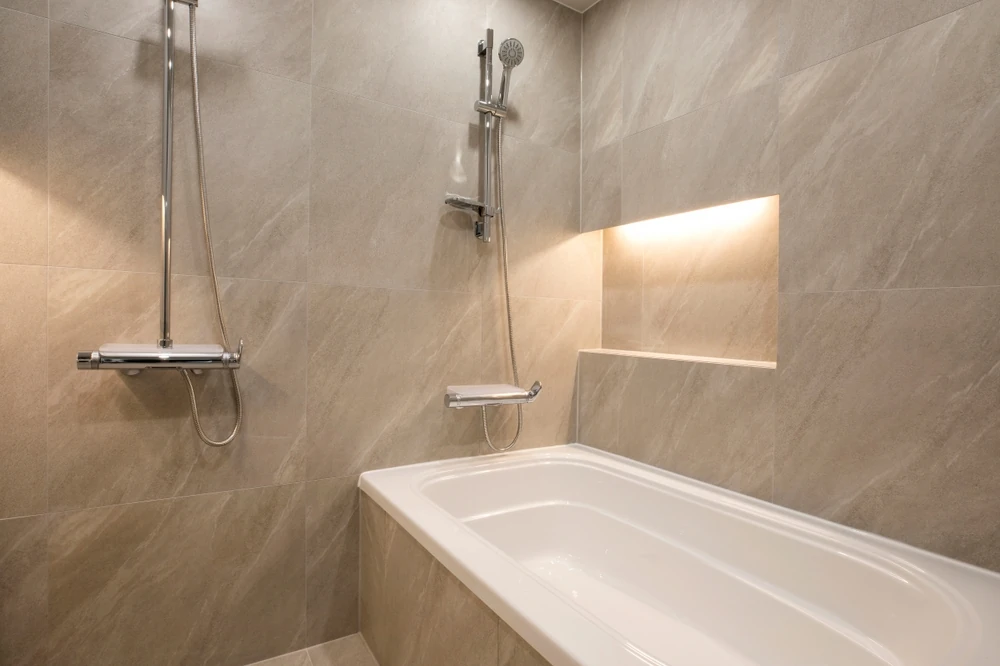
A wet room can be a smart option in small or awkwardly shaped bathrooms where a traditional shower enclosure would feel cramped. By removing the shower tray, door and bulky framing, the room can feel more open and easier to move through.
Wet rooms are also useful where accessibility is a priority. A level-entry shower area can support wheelchair access, walking frames or easier movement for people with reduced mobility. For households planning for ageing in place, this can be a major advantage.
However, wet rooms need careful placement of fixtures. The toilet, vanity and storage should be positioned away from the direct spray path wherever possible. Wall-hung vanities, moisture-resistant cabinetry and strong ventilation are especially important because more of the room is exposed to water and humidity.
A walk-in shower is often the more practical choice when the bathroom needs a modern look but still needs good water containment. Fixed glass panels help protect the rest of the room from overspray while keeping the design open and uncluttered.
This layout can work well in family bathrooms, apartments and bathrooms that also include laundry space or extra storage. Because the toilet, vanity and flooring outside the shower are less exposed to water, the room is often easier to maintain day to day.
The shower footprint still needs to be carefully planned. If the shower is too small, it can feel cramped and allow more water to escape. If it is too large, it can dominate the room and reduce usable space elsewhere. Corner, alcove and wall-to-wall designs can help make better use of the available floor area.
Splash control is one of the biggest practical differences between the two designs. Wet rooms generally allow more water movement across the floor, so they rely heavily on accurate falls, strong drainage and thoughtful fixture placement.
Walk-in showers control spray more effectively because the water is concentrated within a defined zone. A fixed glass panel, good shower head placement and the right screen length can reduce how much water escapes into the rest of the bathroom. This can make the space safer and more comfortable for children, older users and busy households.
Cleaning and comfort are important because both designs can feel very different once they are used every day. A bathroom may look beautiful when newly renovated, but it also needs to be practical after daily showers, humidity, towels, bath mats and regular household use.
This is where the difference between a fully open wet zone and a more contained walk-in shower becomes clear.
A wet room exposes more surfaces to water. Floors, walls and sometimes nearby fixtures may need more frequent cleaning because spray can travel further. If drainage falls are not well designed, water may sit in corners or around fittings, increasing the risk of soap scum, mould and slippery patches.
In coastal homes, sand and moisture can also make maintenance more demanding. Open floor drains may need regular rinsing, and ventilation becomes especially important to help the room dry properly after use.
A walk-in shower usually requires less overall mopping because water is contained in one area. Glass panels still need regular cleaning, especially where hard water marks or soap residue appear, but the rest of the bathroom generally stays drier. This can make day-to-day upkeep easier for families and busy households.
Wet rooms can feel open and luxurious, but they may also feel cooler because there is no full enclosure to hold warmth around the shower. Warm air and steam escape more easily, especially in larger bathrooms or rooms with high ceilings. Underfloor heating, good ventilation placement and careful shower positioning can help improve comfort.
Walk-in showers can feel warmer because the glass panel provides some protection from air movement while still keeping the space open. A well-positioned shower head can also help reduce overspray and keep warmth within the shower zone.
Wet rooms can be highly practical for people with mobility needs, parents bathing young children or households wanting a future-proof bathroom. The step-free layout and open floor area can make movement easier and safer when designed correctly.
Walk-in showers suit a wide range of homes because they provide easier access while still controlling water. They are often more forgiving in rental properties, apartments and family homes where multiple people use the bathroom and not everyone will be careful about drying the floor after each shower.
Cost and complexity can differ significantly between a wet room and a walk-in shower. Both can create a modern bathroom, but the amount of waterproofing, drainage work and floor preparation required will influence the final budget.
In most renovations, a true wet room is more involved and usually more expensive to build than a standard walk-in shower.
A wet room requires a broader construction scope because the whole bathroom must be treated as a wet zone. This usually means more waterproofing, more detailed drainage planning, more floor preparation and more precise tiling.
The floor may need to be altered so water drains correctly across the room. In some homes, this can involve recessing the floor, adjusting joists, changing plumbing positions or raising surrounding floor levels to achieve the correct fall. These details add time, labour and cost.
The risk of water damage also means wet rooms need high-quality installation. Poor waterproofing or drainage can lead to expensive problems later, so it is not an area where shortcuts should be taken.
A walk-in shower is usually more straightforward because the wettest part of the bathroom is limited to one zone. The shower floor or tray still needs correct waterproofing and drainage, but the rest of the room does not usually need the same level of treatment as a wet room.
This can make walk-in showers easier to fit into existing bathrooms, particularly where the current plumbing location is being retained. A low-profile tray or tiled shower base can deliver a modern finish without the same level of structural change.
Fixtures, tiles, screens and fittings can still raise the budget, but the overall construction is usually less complex than a full wet room.
Choosing between a wet room and a walk-in shower comes down to layout, budget, accessibility needs and how the bathroom will be used every day. Both options can look modern, but the best choice is the one that suits the home’s structure and the household’s habits.
A wet room may be the better option when maximum accessibility, a fully open layout or a luxury bathroom feel is the priority. It can also work well in compact bathrooms where removing visual barriers helps the space feel larger. However, it requires excellent waterproofing, drainage and ventilation to perform well long term.
A walk-in shower is often the better fit when water containment, easier cleaning and lower renovation complexity are important. It offers a similar open appearance while keeping the rest of the bathroom drier and more practical for everyday use.
For many homes, the walk-in shower offers the best balance of style, function and cost. For others, especially where accessibility or a seamless designer finish is the priority, a wet room can be worth the extra planning and investment.
Choosing between a wet room and a walk-in shower depends on the bathroom layout, available budget, accessibility needs and the level of renovation work suitable for the property. A wet room offers a seamless, fully waterproofed space with strong accessibility benefits, but it usually requires more careful drainage, waterproofing and floor preparation.
A walk-in shower provides a similar modern look while keeping water more contained, making it a practical option for many homes. Both designs can work well when planned properly, but they function differently in daily use. Considering splash control, cleaning, comfort, ventilation and long-term maintenance before renovating helps ensure the finished bathroom is not only stylish, but also practical, durable and suited to the way the household actually uses the space.