Bathroom Design Choices That Will Still Work Years From Now
June 5, 2026


A successful bathroom renovation is not defined by what looks fashionable today but by what continues to perform, feel comfortable and remain visually appealing. While trends come and go, bathrooms with lasting appeal are built around thoughtful layouts, durable materials, practical storage and fixtures that support everyday living. When planning bathroom renovations in Central Coast homes, focusing on long-term functionality alongside aesthetics can help create a space that continues to work well for years.
At Central Coast Kitchens & Bathrooms, careful planning is recognised as the foundation of a bathroom that stands the test of time. This article explores the design decisions that remain valuable long after construction is complete. Understanding which choices offer lasting benefits makes it easier to create a bathroom that remains comfortable, functional and visually appealing.
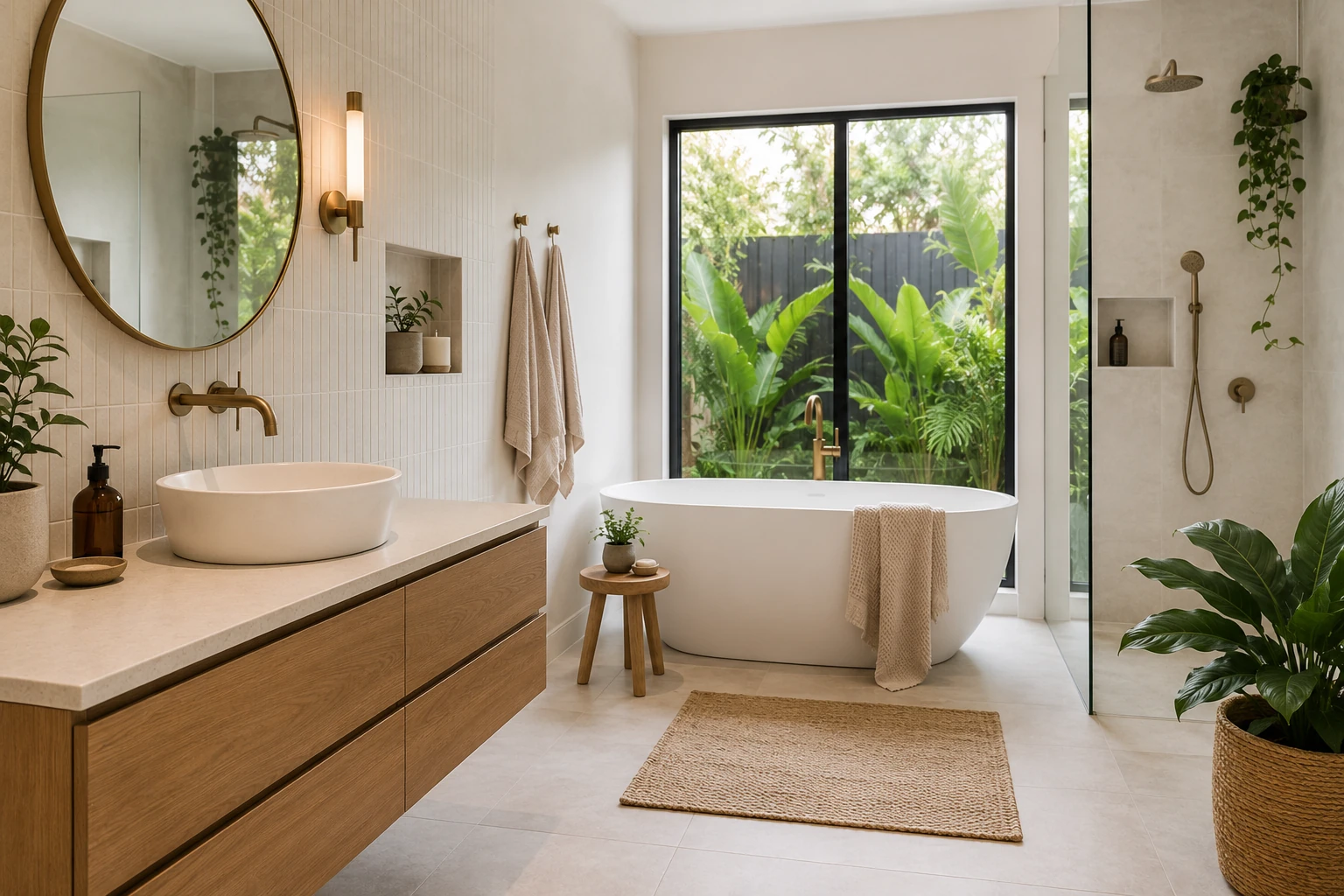
Bathroom renovations are among the most disruptive and expensive projects in a home, so each decision can have long-term consequences. Once the tiles, waterproofing and plumbing are in place, even a seemingly simple alteration may require significant work.
Thoughtful planning helps reduce the risk of dated finishes, cramped layouts and costly changes a few years after the renovation is complete. It also creates a bathroom that remains comfortable, safe and practical as household needs evolve.
Short-term choices can create problems that are difficult and expensive to correct later. Plumbing locations, waterproofing, drainage and tile selection deserve careful consideration because these elements are not easy to alter without removing existing finishes.
Quality fixtures with replaceable parts can also make future maintenance more manageable. Choosing reliable tapware, durable cabinetry and suitable waterproofing may cost more initially, but it can reduce the likelihood of premature repairs or replacements.
A neutral tile palette can provide additional flexibility. The room can be refreshed in the future with new mirrors, lighting, paint colours, towels and accessories without requiring a complete renovation.
Household routines rarely stay the same. Children grow older, mobility needs may arise and the home may eventually be sold. A bathroom that only suits the present can become frustrating or difficult to use in the years ahead.
Future-focused planning may include:
These decisions can improve safety and comfort without making the room feel clinical. They also help the bathroom adapt more easily if household needs change.
Highly distinctive colours, unusual fixture shapes and trend-led finishes can date a bathroom quickly. A balanced design is more likely to remain appealing over time.
Consider:
A bathroom designed in this way can be updated with minor changes rather than another major renovation.
A bathroom layout should prioritise comfortable movement rather than trying to fit in every possible feature. A well-planned floor plan makes daily use easier, reduces awkward corners and supports future adaptability.
Instead of looking at each fixture in isolation, consider how people will move through the room. The door, vanity, toilet, shower and bath should work together as part of a practical layout.
The empty space between fixtures is just as important as the fixtures themselves. Aim for a clear pathway from the doorway to the vanity, toilet and shower without tight corners or unnecessary obstacles.
Where space allows, approximately 900 mm of clear floor area in front of the vanity and toilet can provide comfortable movement and allow drawers and doors to open properly. In front of the shower, a similar amount of space gives users room to dry off and get dressed without bumping into walls or other fixtures.
These measurements are practical guides rather than fixed rules. The most suitable dimensions will depend on the size of the room, the selected fixtures and any accessibility considerations that apply to the renovation.
Planning the bathroom in zones can make the layout easier to use. A typical bathroom includes a wash zone around the vanity, a toilet zone and a wet zone containing the shower or bath.
The vanity should be positioned away from the main door swing where possible. In a shared bathroom, a single wide basin with generous bench space can sometimes be more useful than squeezing in two small basins.
Keeping the toilet slightly separated from the vanity can improve privacy. A short nib wall, a thoughtful placement behind the door line or a subtle change in layout can create separation without making the room feel enclosed.
Doors that clash with fixtures are a common bathroom layout issue. A cavity slider or outward-opening door can free up internal floor area in a compact bathroom. If an inward-opening hinged door is used, it should not block the toilet or create an awkward entry point.
Sliding shower screens or fixed glass panels can also reduce the amount of floor space required for door swings. Wall-hung vanities and toilets can increase visible floor area, simplify cleaning and make a compact bathroom feel less crowded.
Where future accessibility is a priority, fixture placement, doorway width and circulation space should be considered carefully as part of the overall layout.
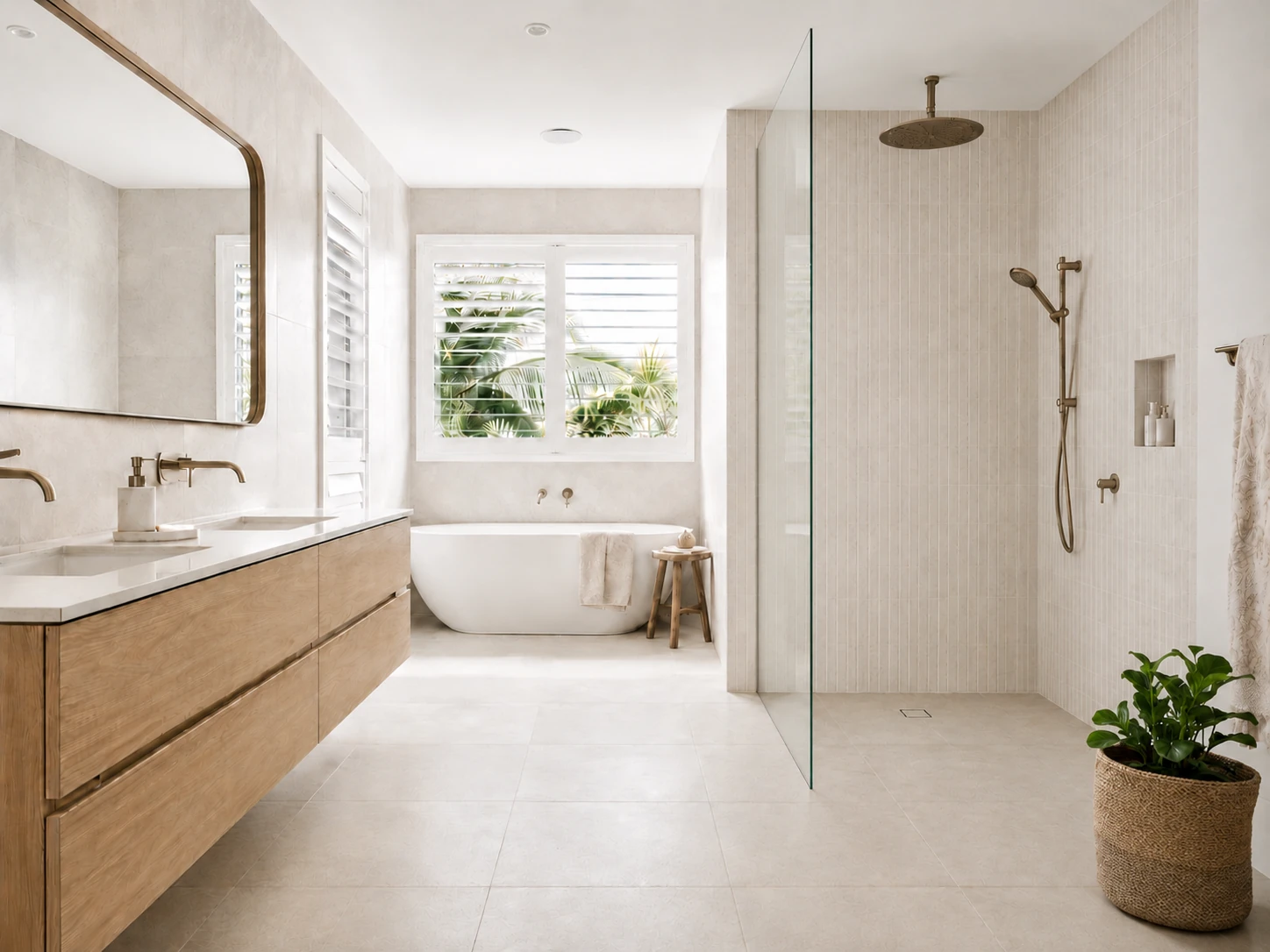
A well-designed shower should be comfortable, safe and easy to maintain. Good planning can reduce awkward movement, improve cleaning and make the shower more practical for people of different ages and mobility levels.
A walk-in shower with a flush or low entry point can reduce trip hazards and create a more open feel. Where a completely level transition is not practical, the step should be kept as low as the plumbing, drainage and existing floor structure allow.
Floor tiles should have a suitable slip-resistant flooring finish for their intended location. Small-format tiles or mosaics can provide additional grip because they introduce more grout lines, but the tiles should still have an appropriate slip-resistance rating for use in wet areas.
A shower area of approximately 900 x 900 mm may suit many bathrooms, but a larger space can provide greater comfort where the room allows. A more generous shower can be useful for parents bathing young children or anyone who may need a shower stool in the future.
Single-lever mixers are generally easier to operate than separate hot and cold taps. Positioning the mixer near the opening allows users to turn on the water and adjust the temperature before stepping under the shower.
A combination of an overhead shower and a handheld shower on a rail provides flexibility. The overhead shower creates a comfortable everyday experience, while a handheld fitting can help with hair washing, cleaning and assisted showering.
Thermostatic mixers can also help reduce the risk of scalding by maintaining a more stable water temperature. They may be useful in homes with young children or older family members.
A built-in shower niche keeps bottles off the floor and reduces the need for wire racks or plastic caddies. Position the niche at a height that is easy to reach without stretching or bending.
Reinforcing shower walls during construction can also allow grab rails to be added later without major alterations. This is a discreet step that can make the room easier to adapt if mobility needs change.
Frameless or semi-frameless shower screens with minimal hardware are generally easier to clean than heavily framed enclosures. Effective floor grading and drainage are also essential for directing water away from surrounding areas and keeping the bathroom safer underfoot.
A bathtub is one of the biggest layout decisions in a bathroom renovation. It affects available floor space, storage, cleaning and how the room functions each day.
Before including a bath, consider whether it will genuinely be used. A freestanding bathtub may look impressive, but it can reduce circulation space and create difficult-to-clean gaps if it is positioned too close to walls or other fixtures.
A bathtub is most valuable when it suits the household’s routines. Consider:
If showers dominate daily life, a generous shower with built-in storage may provide more value than a bathtub that is rarely used.
A bathtub may appeal to buyers with young children, particularly in a family-sized home. However, it should not be included at the expense of comfortable circulation space or a practical shower layout.
Where a home has more than one bathroom, a single bathtub is often enough to provide flexibility. The remaining bathroom can then be designed with a more spacious shower-only layout.
Bathroom storage should be designed around daily routines rather than appearance alone. Effective storage keeps benches clear, reduces clutter and makes cleaning easier.
Well-planned drawers, recessed cabinets and niches are among the most practical hidden bathroom storage ideas for keeping everyday products accessible without cluttering benches.
Start by identifying which items need to be within reach and which can be stored further away. From there, create a mix of shallow drawers, cupboards, mirrored cabinets and vertical storage.
Toothbrushes, razors, skincare products and make-up are best stored in shallow drawers or mirrored cabinets directly above or beside the vanity. Shallow storage makes products easier to see and prevents smaller items from disappearing at the back of a deep cupboard.
Electric toothbrushes and shavers may benefit from a power outlet inside a cabinet so chargers remain out of sight. Any outlet placement should be planned by a licensed electrician and comply with the requirements that apply near bathroom water sources.
Towels should be easy to reach from the shower or vanity. Open niches, hooks or rails can prevent people from dripping water across the room.
Cleaning products should be stored in a secure cabinet away from children. An internal pull-out caddy can make products accessible while keeping them off the floor and out of sight.
Walls provide useful storage opportunities, particularly in compact bathrooms. Recessed mirrored cabinets above the vanity can add slimline storage without making the room feel crowded.
Tall linen cabinets can hold spare towels, toiletries and guest supplies. Shelves near the ceiling are useful for less frequently used items, while everyday products should remain at an accessible height.
Built-in niches near the bath and shower can also keep bottles organised without adding freestanding shelves or caddies.
Drawers are often more practical than deep cupboards because they make it easier to access items stored at the back. Full-extension runners, internal dividers and adjustable trays can improve organisation and adapt as household routines change.
Open shelving should be used sparingly. It can work well for neatly folded towels or a small basket of spare toilet rolls, but too many open surfaces can make the room feel cluttered.
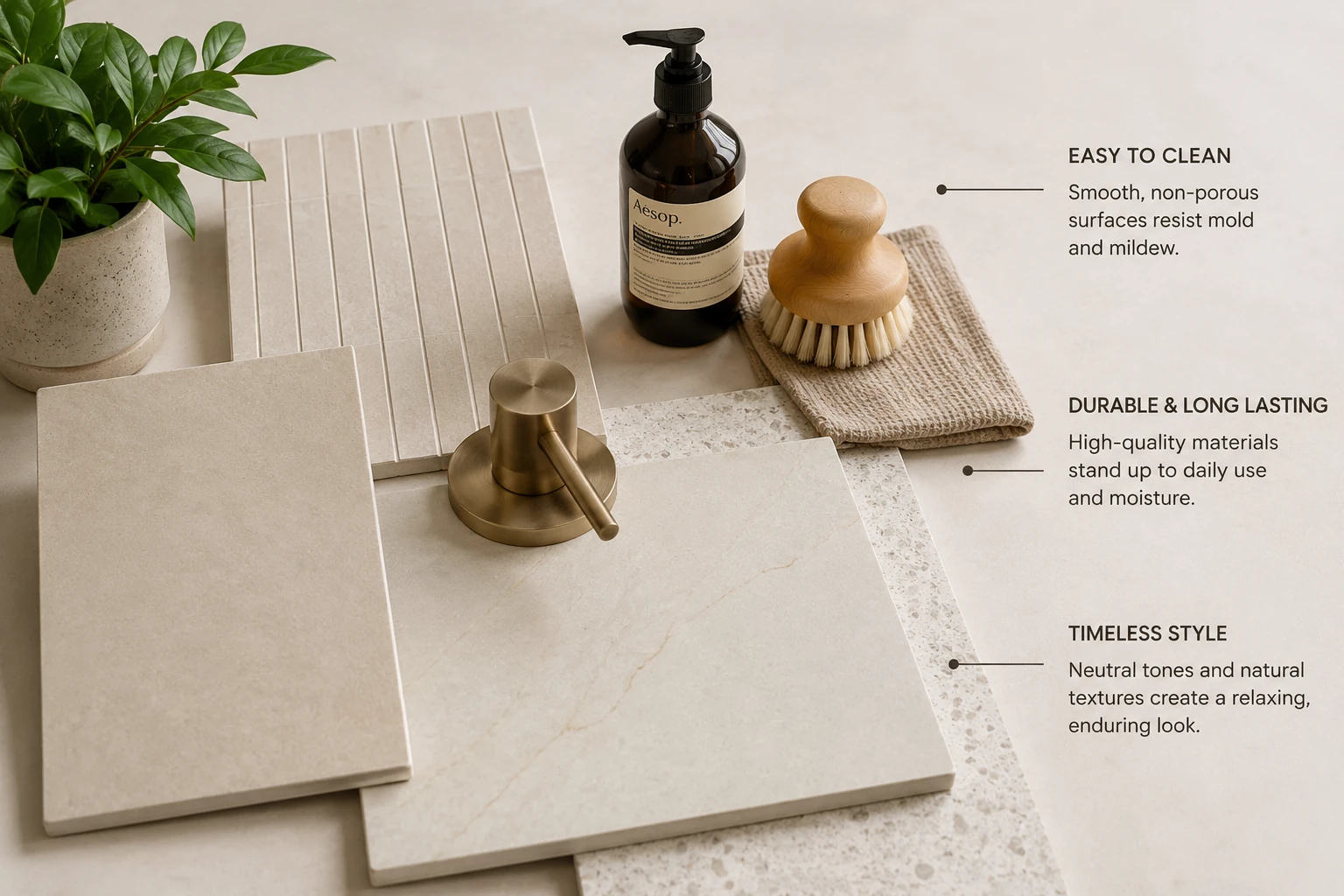
Bathroom finishes need to withstand moisture, cleaning products and daily use. In Central Coast homes, humidity and coastal conditions may place additional demands on fittings and surfaces.
When choosing the right bathroom fixtures and finishes, consider how each product will perform with regular use as well as how it will look on completion day. The most suitable materials are durable, easy to maintain and safe underfoot.
High-gloss floor tiles may look polished but can become slippery when wet. More practical options include:
Large-format tiles can work well on the main floor because fewer grout joints make cleaning easier. However, the selected surface should still provide appropriate grip.
Highly polished natural stone may require more maintenance and can become slippery when wet. If natural stone is preferred, a honed finish may be a more practical option, subject to the suitability of the specific product.
Tapware and shower fittings are handled every day, so finishes should be selected with maintenance in mind. Chrome, brushed nickel and stainless steel tend to remain versatile and can be more forgiving of minor wear.
Black, brass and other statement finishes can work well, but some may show water spots, fingerprints or scratches more readily. The right choice depends on the desired look and the level of upkeep the household is comfortable with.
Bathroom cabinetry also needs to cope with steam and occasional splashes. Moisture-resistant board with quality edging and a durable laminate or 2-pack finish can provide reliable performance. The cabinetry should be installed carefully to minimise prolonged exposure to standing water.
Frameless or semi-frameless shower screens can simplify cleaning because they use less hardware and fewer channels where grime can collect.
A bathroom that continues to feel fresh over time is not only based on timeless style. It should also be easy to update when preferences or household needs change.
The key is to separate permanent features from replaceable ones. Hard-to-change elements should form a neutral, durable foundation, while colour and personality can be added through fixtures and accessories.
Plumbing and tiling are among the most disruptive elements to alter after a renovation. Keeping plumbing locations straightforward can make future upgrades more manageable.
Highly customised layouts and unusual fixture sizes may limit replacement options later. Selecting standard sizes and common mounting arrangements can give future owners greater flexibility if fixtures need to be changed.
Tile choices should also be considered carefully. Soft neutral colours tend to remain versatile, while patterns can be introduced in smaller areas such as a niche or splashback. A smaller feature section is easier to refresh than an entire tiled wall.
It is also worth keeping a small quantity of spare tiles after the renovation is complete. This can make repairs easier if a tile is damaged in the future or a product is discontinued.
Tapware, handles, towel rails, mirrors, lighting and accessories provide opportunities to introduce colour or follow changing design preferences.
Selecting reputable fixture ranges and common rough-in configurations may improve the likelihood that compatible replacement parts remain available in the future.
Lighting should also be planned with flexibility in mind. Replaceable wall lights, mirror lighting and standard fittings are easier to update than highly specialised integrated products.
A bathroom that remains comfortable, functional and visually appealing for years comes down to deliberate planning. A practical layout, accessible shower design, carefully considered storage, durable finishes and flexible design choices can all help the room adapt as household needs evolve.
Rather than relying on passing trends, a long-lasting bathroom focuses on quality, usability and timeless design principles. By treating permanent features as the stable foundation of the space, future updates can be simpler, less disruptive and more affordable.