Why Late Changes to Cabinets and Benchtops Blow Out Budgets
February 11, 2026


Renovating a kitchen is one of the biggest investments a homeowner on the Central Coast can make, and few things disrupt a carefully planned budget faster than late changes to cabinets and benchtops. Central Coast Kitchens & Bathrooms regularly sees projects come under pressure when layouts, finishes or materials are altered after production has begun. What feels like a minor adjustment, such as widening a drawer stack, moving a pantry or swapping a benchtop material, can trigger a chain reaction that affects manufacturing schedules, site preparation, plumbing, electrical work and supplier orders.
In kitchen renovations on the Central Coast, understanding what qualifies as a late change is critical to protecting both budget and timeline. This guide from Central Coast Kitchens & Bathrooms explains why timing matters as much as the decision itself. It outlines why cabinet revisions become significantly more expensive once production is underway, how benchtop changes escalate costs and the hidden expenses tied to rework, delays and discarded materials.
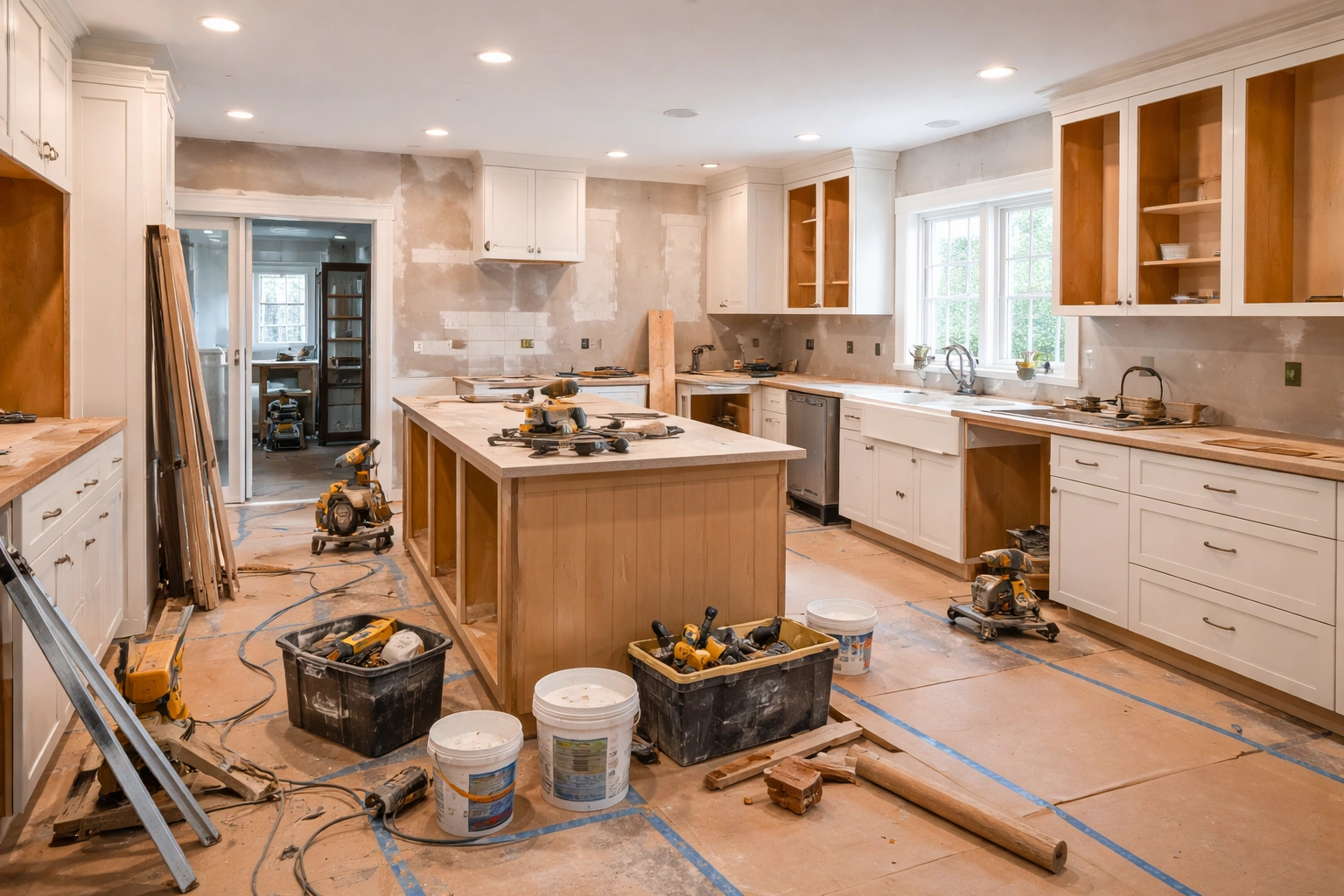
Homeowners often do not realise when a simple request becomes a “late change” that affects time and cost. In a kitchen renovation a change is considered late once plans have been signed off, materials ordered or site work has begun. From that point every adjustment to cabinets or benchtops can trigger a chain reaction through design with manufacture and installation.
Understanding what actually counts as a late change helps clients decide which ideas are worth pursuing and which are better saved for a future stage. It also explains why a small tweak on paper can carry a surprisingly high price once the project is underway.
The first point where changes become “late” is after the final drawings and selections have been approved. Professionals typically treat this as the green light to start ordering materials and programming trades.
Altering cabinet layouts at this stage, such as changing from drawers to doors and moving the fridge space or increasing the height of overheads usually means the designer must redo plans and the factory must reprogram cutting lists. Even if nothing has been built yet, time and administration costs increase once the job has moved into production.
Similarly, switching benchtop materials after sign‑off (for example, from laminate to engineered stone or from 20 mm to 40 mm thickness) can be a late change. Suppliers may already have placed orders slabs or allocated installation slots, and changing these will often incur fees or delays.
Once cabinets have been assembled or finished, any alteration to the design is almost always a late change. This can include requests such as adding extra pantry units or changing the colour or finish of doors.
At this point materials are not just ordered; they are made to size. Adjusting dimensions can require remaking entire cabinets or panels rather than modifying existing ones. Even a small shift in appliance size (for instance, changing from a 600 mm oven to a 900 mm model) can force a redesign of surrounding cabinets and fillers.
For benchtops, a late change often occurs when cutouts or shapes are altered after the stone or laminate has been templated or cut. Moving a sink from inset to undermount or changing to an undermount drain groove detail may mean a new slab is required, particularly with engineered stone or natural stone.
When trades are on-site and installation is underway, almost any alteration qualifies as a late change. Common examples are deciding to extend an island while cabinets are being fixed to the floor or changing benchtop overhang once stone installers have measured or fitted.
Onsite changes can affect plumbing and electrical rough‑ins. Shifting the location of the sink or dishwasher after services have been run means plumbers and electricians must return to move pipes or wiring, which multiplies labour costs.
In homes with timber or brick construction, structural work is often carefully coordinated. Asking to remove a nib wall or change bulkheads after cabinetry has been set out is a significant late change because it can require redoing both building work and cabinetmaking, not just one trade.
Once cabinet production begins, every element is working like a chain. Materials are ordered and panels are cut, cabinets are assembled and installers are booked. A late change breaks this chain, which is why even a “small tweak” can quickly turn into extra labour with wasted materials and new site work.
It is important to understand that the factory process is highly sequenced. By the time cabinets are in production, most costs are already committed. This means that altering layouts or sizes and even finishes almost always means paying for work twice.
Cabinet production starts well before anything is delivered to the site. Once plans are signed off, the experts order specific hardware and doors to suit those exact measurements and finishes.
If a client decides to move a pantry or change the door profile after this point, much of what has been ordered can no longer be used. Custom-coloured boards and made‑to‑measure drawers are especially hard to repurpose. The result is:
Some specialised finishes also have minimum order quantities or long lead times. A late change can mean paying for extra sheets or doors that are not required just to access the new finish or profile.
Modern cabinetmaking uses computer-controlled cutting and drilling. Once a job is programmed, the factory team cuts all panels in a set sequence to maximise efficiency and reduce waste.
When layouts change after programming, the cabinetmakers often need to:
This is all extra design and factory labour that was not in the original quote. If some units were already assembled, they may need to be disassembled or completely remade. This adds further time in the workshop.
By the time cabinets go into production, the plumber or electrician and builder are usually working from the approved plans. Walls have been framed or lined, and services roughed in to suit the original cabinet dimensions.
When a bank of cabinets is shifted or a tall unit is added later, the team may need to:
This can involve re‑booking trades at short notice, which often attracts variation fees or call‑out costs. Even a small cabinet size change can create a domino effect on splashbacks or flooring and benchtop overhangs, all of which need correction.
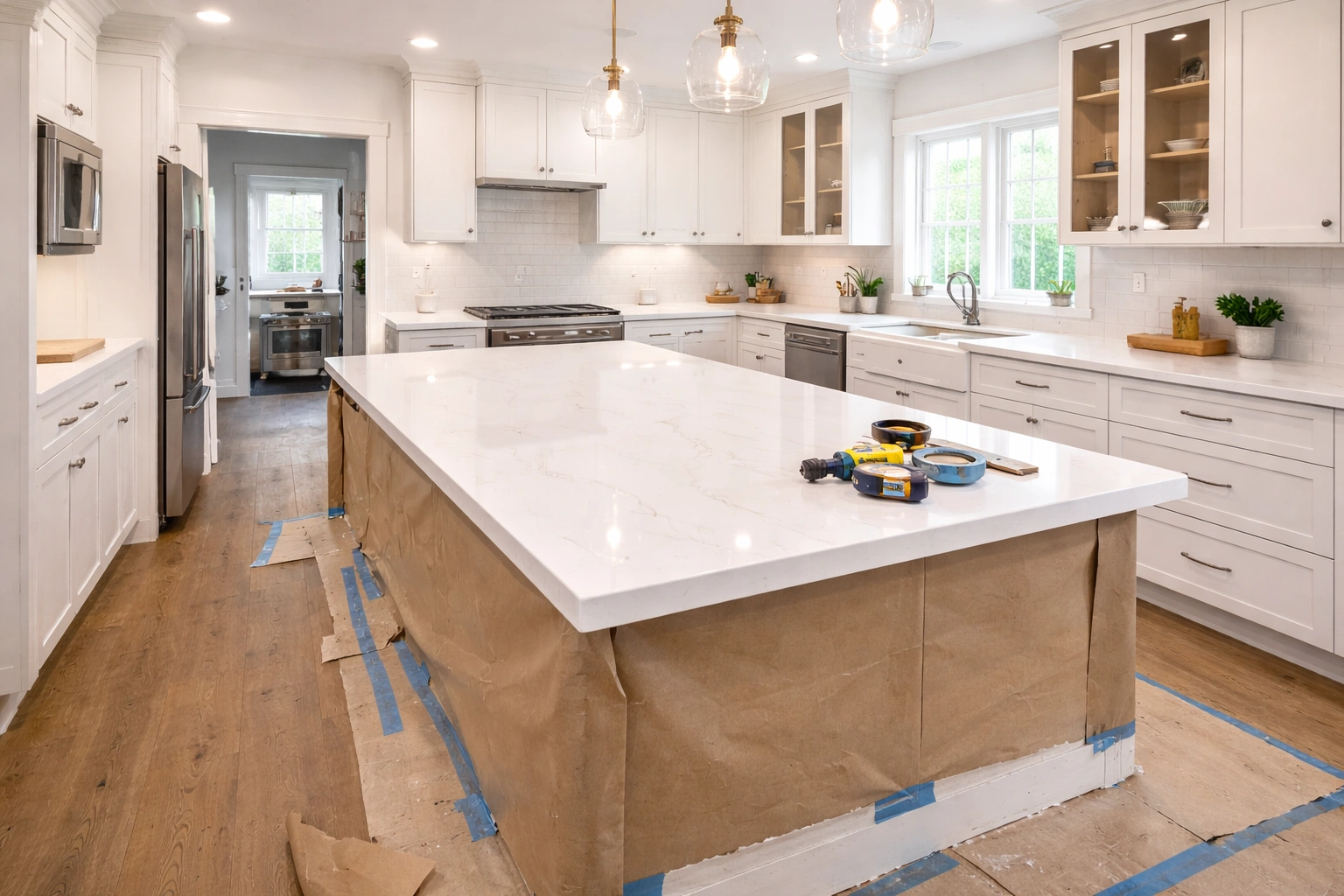
Changing the benchtop late in a kitchen or bathroom project is one of the fastest ways to blow out a budget. By the time clients decide to swap colours or materials or thicknesses, orders and fabrication have usually already started. Altering the benchtop at this point forces much of that work to be repeated, which adds cost and sometimes waste.
Most stone and engineered surfaces are custom-made to suit the exact layout of the cabinets or the sink and appliances. A seemingly simple change from laminate to stone or from one profile to another can require reworking cabinet support or plumbing positions and even splashback plans. The visible change is only the top surface, but the hidden flow-on effects are where the budget blows out.
Benchtops are not off-the-shelf items. Once a design is signed off, the builders send exact measurements to the stonemason or fabricator. At this stage slabs are often:
If the client later changes the material or layout, the original slab may be unusable or only partly salvageable. This can mean paying for two benchtops instead of one, along with additional fabrication time. Even a small change such as moving a sink cut-out can require a new piece of stone because cut-outs are done in the factory using templates that match the approved plan.
For laminate or timber tops, late changes can still trigger extra sheets and workshop labour. Fabricators often charge variation fees once cutting has started, as they need to rebook machinery and staff time.
Benchtop material and thickness directly affect how the cabinets underneath are built. Upgrading from laminate to engineered stone or porcelain late in the project usually means the benchtop is heavier and sometimes thicker. Cabinets may need:
These alterations are far more expensive once cabinets are already assembled or installed on site. Installers may need to remove cabinets or cut new openings and even pack and refit units, which increases labour hours and often creates finishing touch-ups.
Cut-outs for sinks and cooktops are another cost trap. Changing from a drop-in sink to an undermount or from a standard cooktop to a wider model repositions joints and support rails. Many stone suppliers will not recut these on site for safety reasons, so the benchtop must go back to the factory or be remade.
Late benchtop changes push back templating and installation dates. This shift affects every trade that relies on the benchtop location, including plumbers and electricians, as well as tilers and splashback installers.
If the sink position moves, the plumber must alter waste and water points. If the cooktop shifts, the electrician may need to relocate wiring or upgrade provisions for induction. Each return visit attracts extra call-out and labour costs. On busy projects, rescheduling trades can also mean delay fees or gaps in the programme where nothing can progress until the new benchtop is in.
Late changes to cabinets and benchtops often look small on paper but can trigger a surprisingly expensive chain reaction once a kitchen or bathroom project is already in motion. By the time clients decide to tweak layouts or dimensions, many materials are ordered or in production and trades are booked. This means that even a minor adjustment can add extra labour and delay.
In locations where lead times for quality joinery and stone are already tight, late variations can mean missing a fabrication slot or an installation window. This in turn quickly flows on to the professionals. Understanding what can and cannot realistically be changed once work has started helps homeowners decide whether a late adjustment is worth the extra cost and time.
Cabinets are usually custom-made to millimetre-accurate plans. Once the cabinetmaker has started cutting material, any change to layout or appliance positions will usually mean recutting or remaking sections. This is where costs quickly escalate because the original materials and labour have already been spent and cannot be reused.
For example, moving a pantry or changing from a single to a double oven stack after production begins typically affects surrounding cabinets and fillers. That means new carcasses and sometimes new hardware. Even changing handle style or drill positions late can require patching and refinishing or new doors.
On top of this, the installer’s time is scheduled around the original plan. If cabinets arrive and do not match the new layout, the site work slows or stops while new components are made. This results in additional call‑out fees and rebooking costs.
Benchtops are even more sensitive to late changes because they are usually templated off installed cabinetry. Once the stone or laminate has been cut, every cut‑out and joint is set. Increasing the overhang or changing the sink position or upsizing the cooktop after fabrication almost always means a completely new top.
In some projects, the hidden costs often include:
Because stone suppliers work to tight schedules, a late change can push a job back by weeks. This delays splashbacks and appliance installation after.
There are points in the process where change is still possible, but the options narrow as the project progresses. Before cabinet production starts, layout changes are usually feasible. After cutting begins, costs rise sharply. Once cabinets are installed, changes are mostly limited to surface items such as handles or sometimes door fronts.
For benchtops, small adjustments like adding a tap hole or slightly easing an edge may be possible onsite. However, changing material thickness or colour or layout after fabrication is rarely viable without starting again.
Our team generally advises clients to treat sign‑off on drawings and selections as the last realistic point for major layout decisions. After that, the focus should be on minor aesthetic tweaks that do not affect structure or measurements so the project stays on budget and on schedule.
Homeowners can keep kitchen and bathroom projects on budget by making firm cabinet and benchtop decisions early and sticking to them. Most cost blowouts come from late changes that trigger new materials orders or extra labour and rescheduling trades. The key is detailed planning with clear documentation and disciplined decision-making before anything is ordered or built.
By investing more time at the design stage and locking in selections in writing, clients can enjoy the flexibility of custom design without the stress of unexpected costs. Expert installers focus on this upfront process so that surprises on site are rare.
The safest way to avoid late changes is to treat the design phase as the time to explore all options. Before approving plans, clients should confirm cabinet layout and heights, as well as thickness and the edge profile.
Reputable installers encourage clients to:
For benchtops it is important to confirm locations of overhangs or splashback heights and any cutouts for sinks or cooktops. Once this level of detail is confirmed, expert workers can order with confidence to help keep pricing stable.
Late budget blowouts often start with a seemingly small swap, such as changing a laminate benchtop to engineered stone or choosing a different cabinet finish. Each change can affect material cost or hardware requirements and labour time.
To prevent this, the experts issue a detailed specification sheet that lists:
Clients should only sign off when they are satisfied that every selection is correct. Any later change should be treated as a formal variation with a written price before it is approved. This keeps everyone aware of the cost impact at each step instead of discovering it on the final invoice.
Many late benchtop and cabinet changes are triggered by appliance or site surprises. An oven that is deeper than expected or a sink that requires a larger cutout can force redesigns and new materials.
Professional installers advise clients to purchase or at least lock in appliance models before final cabinetry drawings. Supplying spec sheets early allows the design to accommodate exact sizes and ventilation clearances. On site the team completes a thorough check of walls and floors (especially the plumbing and power points) before final manufacture.
By confirming these details in advance, the need for structural changes to cabinets or re-cutting benchtops is greatly reduced. This keeps both timeframes and budgets under control.
At the end of the day, late changes to cabinets and benchtops almost always cost more than clients expect. Once a kitchen moves from the design phase into production and ordering, anything that alters cabinet sizes or benchtop specifications becomes a late change. Cabinet revisions then become expensive because they disrupt manufacturing while wasting already-cut materials and trigger new installation work. Benchtop changes are even more costly, as they involve re‑templating and re‑scheduling stone or laminate production.
The good news is that most of these budget blowouts are preventable with a clear process. Investing time upfront to finalise the layout while double-checking appliance specifications and confirming material choices protects the budget and the project timeline. Asking all your “what if” questions early while locking in decisions before production and respecting the point at which orders and manufacturing have commenced will always be cheaper than trying to “fix it later”. A well-planned kitchen renovation doesn’t rely on last-minute redesigns to get a beautiful result; it relies on careful decisions made at the right time, so your money goes into better quality and smarter design, not into paying twice for the same work.