The Bathroom Renovation Errors That Cause Problems Years Later
January 13, 2026


Homeowners in Central Coast often focus on how their space will look on day one, but the real test of craftsmanship shows up years after the last tradesperson leaves. From hidden leaks to layout frustrations, small oversights in bathroom renovations in the Central Coast can slowly turn into expensive and disruptive problems. Our team at Central Coast Kitchens & Bathrooms knows how decisions made during the early stages of a project can protect or compromise the long-term performance of the room.
A space that looks flawless at handover can slowly deteriorate due to moisture or movement and ongoing daily use. The surfaces and fixtures must work together to handle water or steam and even temperature changes or cleaning routines. When this balance is not achieved, the issues take months or years to become visible. Understanding why these problems occur helps homeowners invest in better planning, better workmanship and better outcomes.
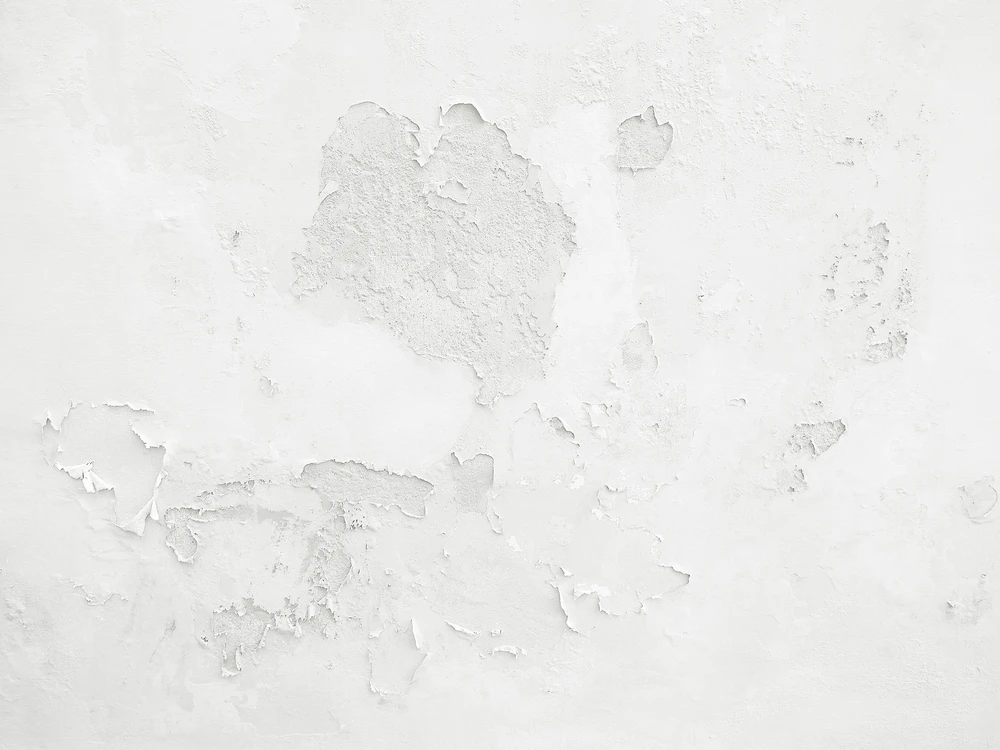
Unexpected problems often begin as tiny weaknesses buried under tiles or behind walls or beneath flooring. These weaknesses do not announce themselves early, as most surfaces are designed to cover them. It is only with repeated exposure to moisture, heat and daily wear that the damage becomes visible. By the time stains or leaks or even cracks are seen on the surface, the underlying problem has already had time to progress.
Moisture is a constant part of the environment and will always try to escape into gaps and inaccessible corners. Small cracks or poorly sealed edges allow a gradual build-up of dampness under tile beds or behind wall linings. Structural movement from temperature changes or ageing foundations can open joints that were once tightly sealed.
Early signs are subtle and often dismissed as normal signs of ageing. Hairline cracks in grout lines are brushed off during cleaning, and tiny patches of mould are wiped away without questioning the cause. Most signs occur in corners or behind items where homeowners rarely check, so they are overlooked until the issue spreads.
Cosmetic layers make the finished space feel complete, but they also act as barriers that hide problems. Tile glue and grout, waterproof membranes and paint create layers that delay surface-level symptoms. By the time the cosmetic layer shows damage, the structural components beneath may already be compromised.
Waterproofing and drainage are the backbone of long-lasting performance. A small oversight in membrane coverage or drainage design might not cause problems immediately but will slowly undermine the structure. Many failures occur because the waterproofing layer was rushed, poorly detailed or not allowed to cure properly. Drainage issues contribute by increasing water exposure in areas not designed to handle long-term saturation.
Waterproofing must be continuous, uninterrupted and properly bonded to surrounding surfaces. Corners and niches, junctions and penetrations require careful attention because these are the first places to fail. Inadequate film thickness or incomplete coverage leaves the structure vulnerable once tiles and grout begin to age.
Water must flow towards drains without pooling and without migrating to walls or door thresholds. When floor falls are poorly calculated, the water lingers in areas that are not designed for constant saturation. Over time this increases the risk of rot or mould and surface breakdown.
Time pressure or inexperience can lead to shortcuts that are not noticeable during handover. These shortcuts often involve sealant application with membrane overlaps, or drain integration and even substrate preparation. They can take months to reveal themselves through swelling tiles or water stains.
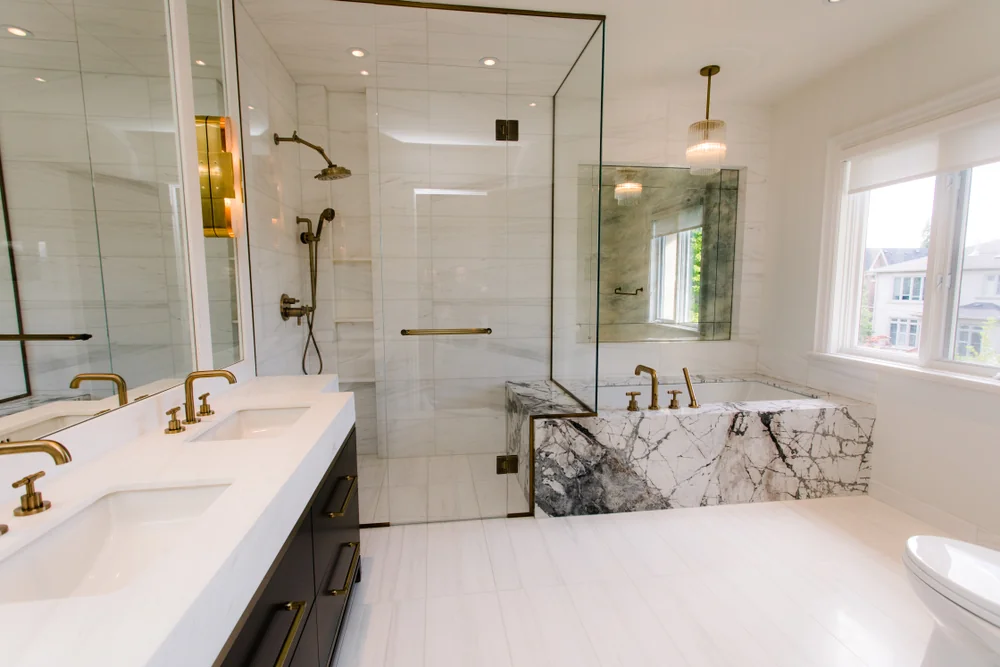
Design decisions impact not only aesthetics but also daily function and longevity. A space may look pleasing immediately after completion but become less practical as family needs change or cleaning routines reveal inefficiencies. Poor layout choices force homeowners to work around limitations instead of enjoying a space that adapts over time. Future usability must be considered from the beginning.
Placement of fixtures such as showers or toilets and vanities plays a major role in how the room supports everyday life. When fixtures are squeezed into awkward corners or placed too close together, the user experience suffers. Clearance issues also make repairs and upgrades more complicated.
Without proper airflow the room becomes a breeding ground for mould and odour. Moisture that cannot escape will settle on surfaces and penetrate porous materials. Over time this shortens the lifespan of paint and cabinetry coatings.
Storage must support toiletries such as towels and cleaning products without cluttering surfaces. Lack of storage leads to constant mess, which affects how users perceive cleanliness and organisation. Poor clearance also makes daily routines harder and increases wear on surfaces.
Material selection and compliance standards exist to ensure durability and safety. Cheaper materials or substandard installation may look fine initially but degrade much faster under constant exposure to heat or water and cleaning chemicals. Compliance issues also create financial and legal problems that appear long after the work is completed. Making informed choices protects the investment and reduces long-term risk.
Surface finishes face constant stress from moisture or chemicals and abrasion. Low-quality grout or sealants lose flexibility and begin to crack or crumble. Tiles that lack appropriate slip resistance or durability wear down faster.
Compliance is critical for insurance or resale and safety. Without proper certification, problems arise when homeowners try to sell or claim insurance for water damage. Inspectors and insurers look for documented proof that waterproofing and electrical works were completed to standard.
Cheaper materials often require more maintenance and need replacing sooner. Over time this erodes the savings made during the project and creates constant inconvenience. Paying for quality upfront reduces waste and frustration.
Long-term performance depends on careful planning with the material choices and skilled execution. Many renovation problems start small and invisible, making it difficult for homeowners to recognise the warning signs until repairs become expensive. A durable and functional space reflects attention to waterproofing and drainage, as well as clearance and compliance, long before the finishing touches are applied.
Avoiding the errors discussed above helps preserve the value of the home and ensures daily enjoyment without constant maintenance. Quality workmanship supports a safer and more practical environment that ages gracefully and responds to changing household needs. Central Coast Kitchens & Bathrooms takes pride in delivering results that stay reliable and attractive for many years, giving homeowners peace of mind and lasting satisfaction.