Practical Tips for Renovating Your Kitchen for Coastal Living
December 15, 2025


Living by the coast offers a relaxed lifestyle, fresh sea air and an abundance of natural light, but it also presents unique challenges when it comes to kitchen design. Salt carried in the air, higher humidity levels and fluctuating coastal weather can all impact how materials perform over time. We often see kitchens near the coast showing signs of wear much earlier than homeowners expect, especially when they are designed the same way as inland homes. At Central Coast Kitchens & Bathrooms, we work closely with homeowners throughout the region and understand that a coastal kitchen must be designed differently from one in an inland setting. With careful planning, the right materials and a layout that works with the coastal environment, kitchen renovations in Central Coast homes rely on can remain practical, durable and visually appealing for many years.
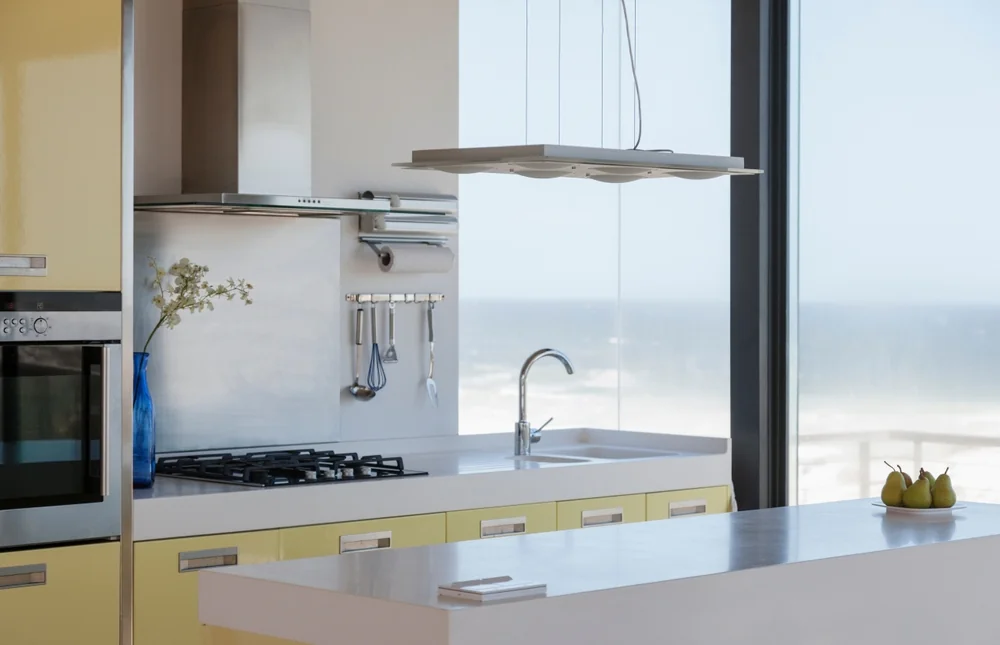
Material selection is one of the most important factors in the long-term success of a coastal kitchen renovation. Coastal conditions tend to accelerate wear and tear, which means materials need to be chosen not just for how they look, but for how they perform under constant exposure to moisture, salt and temperature changes.
Cabinetry is often one of the first areas to fail in coastal homes when unsuitable materials are used. Standard particleboard can absorb moisture over time, leading to swelling, peeling and joint failure. This is a common issue we see in kitchens close to the beach. Moisture-resistant boards, marine-grade plywood and well-sealed cabinetry finishes provide a far more reliable foundation and help prevent these problems before they start.
Benchtops also need to cope with daily cooking, cleaning and entertaining while resisting stains and moisture. Coastal kitchens benefit from materials with low porosity and minimal joins, as these reduce the risk of water penetration and salt build-up.
Common coastal-friendly benchtop options include:
Flooring should balance durability with comfort underfoot. Coastal kitchens often experience higher foot traffic and more moisture, particularly in homes close to the beach. Porcelain tiles and luxury vinyl planks perform well in humid environments, while sealed concrete floors suit homeowners looking for a modern coastal look with minimal ongoing maintenance.
Hardware and fixtures are easy to overlook during kitchen planning, yet they are often the first elements to show signs of coastal wear. Salt in the air can cause rust, pitting and discolouration if finishes are not suited to coastal conditions.
Choosing corrosion-resistant materials such as stainless steel, marine-grade aluminium or powder-coated finishes can make a noticeable difference to longevity. Brushed and matte finishes are particularly practical in coastal kitchens, as they hide fingerprints, watermarks and salt residue better than high-gloss options, helping the kitchen look cleaner and more polished for longer.
Even the most durable materials benefit from consistent care, especially in coastal environments. Regular maintenance helps prevent small issues from developing into costly repairs.
Simple habits that support long-term performance include:
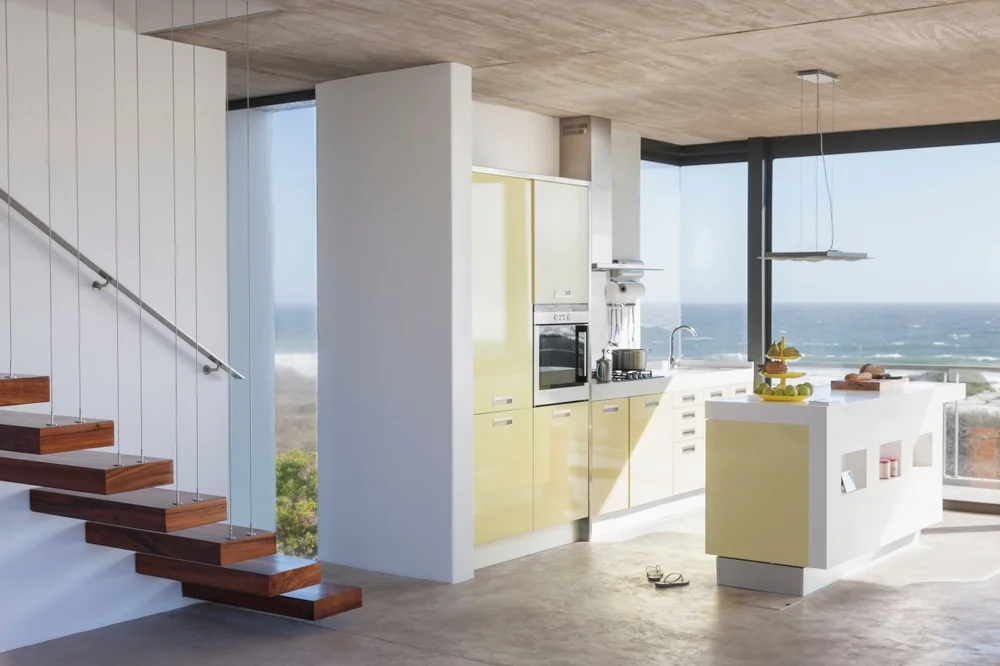
Once durable materials are in place, the next step is designing a kitchen that works with the coastal environment rather than against it. A well-designed coastal kitchen should feel light, open and connected to its surroundings. Maximising natural light and airflow improves comfort while reinforcing the relaxed coastal lifestyle many homeowners are drawn to.
Open-plan layouts work especially well in coastal homes, allowing sunlight to move freely through the kitchen and into adjoining living areas. Removing unnecessary walls and visual barriers helps brighten the space and creates a more open, welcoming feel.
Positioning key work zones, such as sinks or preparation areas, near windows allows homeowners to enjoy natural light throughout the day. Lighter colour palettes for cabinetry, splashbacks and benchtops also help reflect light, preventing the kitchen from feeling heavy or enclosed, even during overcast coastal weather.
Windows, doors and skylights play a major role in both the appearance and performance of a coastal kitchen. Aluminium and uPVC window frames are popular choices due to their resistance to salt corrosion and low maintenance requirements. Double glazing helps regulate indoor temperatures and improve energy efficiency, which is particularly beneficial in coastal areas with strong sun exposure.
Skylights are an excellent option for introducing additional light into kitchens where wall space is limited or privacy is important. Sliding or bi-fold doors are also common in coastal homes, strengthening the connection between indoor and outdoor living areas while encouraging airflow and making entertaining easier.
Ventilation is essential in coastal kitchens, where humidity levels are often higher year-round. Without proper airflow, moisture can build up and lead to condensation, mould growth and long-term damage to cabinetry and finishes.
Effective ventilation solutions include:
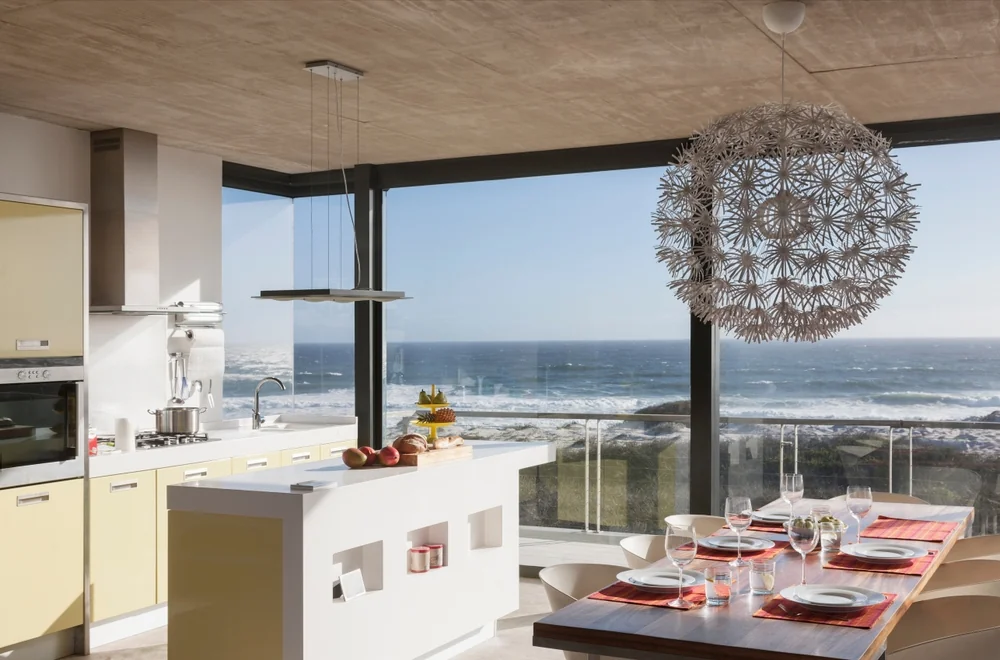
Coastal kitchens are often social hubs where family and guests naturally gather, making functionality just as important as appearance. Smart storage and thoughtful layouts help keep these spaces organised, practical and easy to live in.
Coastal kitchens are often social hubs where family and guests naturally gather, making functionality just as important as appearance. Smart storage and thoughtful layouts help keep these spaces organised, practical and easy to live in.
Overhead cabinetry designed to maximise ceiling height can provide valuable additional storage while still maintaining a streamlined look, particularly when paired with simple door profiles and integrated handles.
Because coastal kitchens often see higher levels of use, particularly during holidays and entertaining seasons, practical design features can greatly improve everyday comfort. Kitchen islands add extra bench space and casual seating, making them ideal for social gatherings. Integrated waste and recycling systems streamline cleaning, while durable splashbacks simplify maintenance after frequent cooking and entertaining.
Budget planning plays a key role in achieving a coastal kitchen that performs well over time. Knowing where to invest and where cost-effective alternatives can work just as well helps homeowners make confident, informed decisions.
Some elements deliver better long-term value when higher-quality materials and construction methods are used. Cabinet carcasses, moisture-resistant benchtops and effective ventilation systems are all areas where investing upfront can reduce maintenance issues and replacement costs down the track.
It is still possible to achieve a durable, attractive coastal kitchen without overspending. High-quality laminate finishes, modular cabinetry and carefully selected fixtures can perform reliably in coastal environments when paired with proper installation and ongoing care.
Although not always considered part of a kitchen renovation, roof condition plays an important role in managing indoor moisture levels. Proper roof ventilation helps reduce humidity inside the home, while regular inspections and well-maintained gutters prevent water ingress. These measures support the longevity of your kitchen and help protect your renovation investment.
Renovating a kitchen for coastal living involves more than simply choosing a beach-inspired colour palette. It requires an understanding of how the coastal environment affects materials, layout and long-term maintenance. By prioritising durability, natural light, airflow and practical storage, homeowners can create kitchens that suit both everyday living and entertaining by the sea. At Central Coast Kitchens & Bathrooms, we use our local experience to help homeowners avoid common coastal pitfalls and deliver kitchen renovations that are built to last and tailored to the lifestyle of Central Coast homes.